
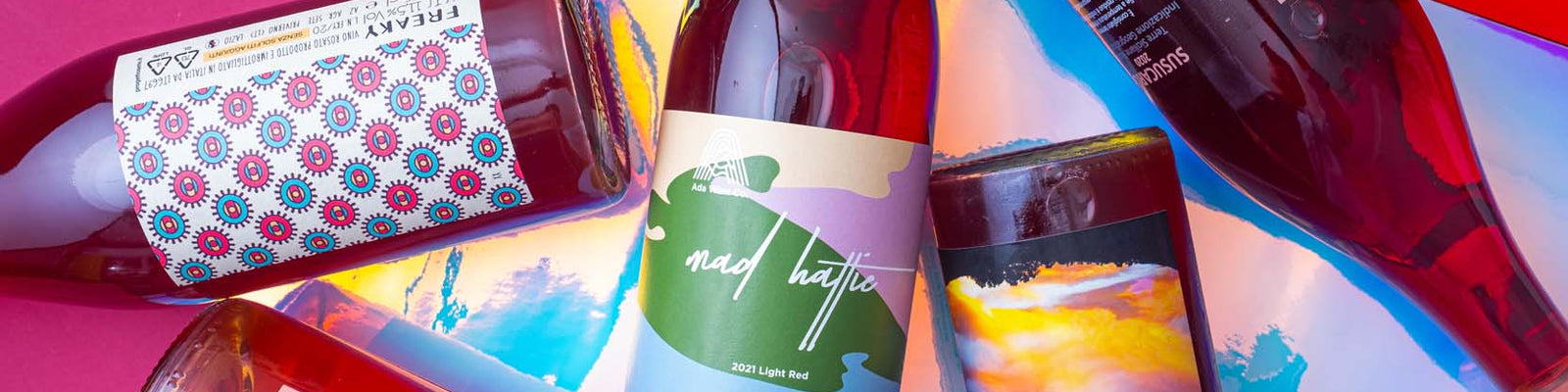
Rose Wine


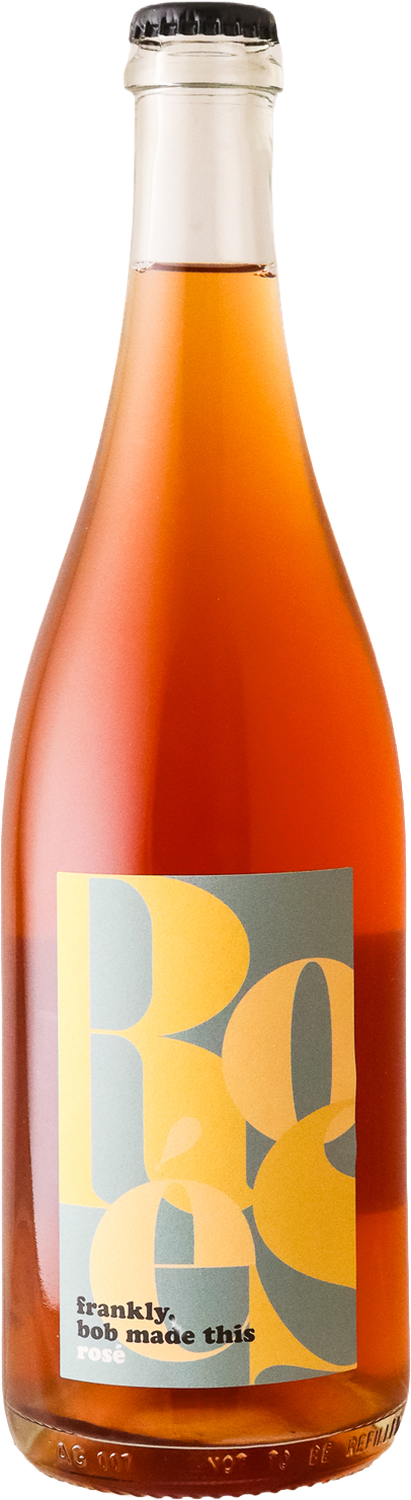
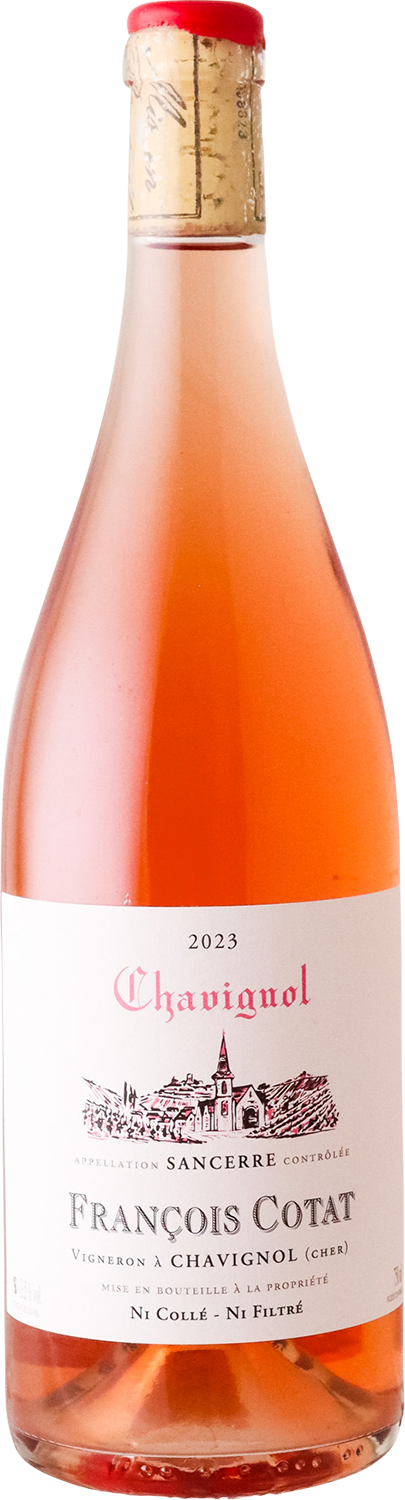


P!NK makes wine, and you love wine, ipso facto, you should drink PINK WINE! Rosato, rosé, saigné...Read More...
P!NK makes wine, and you love wine, ipso facto, you should drink PINK WINE!
Rosato, rosé, saignée, rosado, Tavel, White Zinfandel...a rosé by any other name would smell as sweet as so, so many things! It ain’t just dry and pale either. Every country has its own take on the style and consequently, we shouldn’t just think that there is the one, ubiquitous way to enjoy it. At Winona we have explored hundreds of regions to show just how versatile this wine can be, all whilst making sure that they are made with sustainable fruit, and by kind people. But, before we delve any deeper into what rosé can look, feel and taste like, let's clear up a few myths surrounding the pink drink.
How is rosé made? Well, it’s simple. Varieties of black (read: red) grapes, e.g. Tempranillo, Grenache, Syrah, Mourvedre, are plucked from the vine by hand and the fruit is processed immediately, removing the skins from the fermenting juice inside. This absence of contact with the grapes’ skins means that there is less colour concentrated (read: less red, more pink!) and the tannins are not given enough time to impart (read: less structural, more smashy) so as the juice ferments, we are left with a wine that focuses on fruit, acid and refreshment. Depending on where you are in the world, the time that the skins are in contact with the juice may vary, or the variety that is being used. One region we associate most rosé with is Provence, in the South of France. Famous worldwide for their wines made predominantly from Grenache, Syrah and Mourvedre that swish in the glass like the colour of onion skin and soft sunsets, sitting supple with red fruits and gentle herbs in the palate. Take me to that bistro by the beach thank you very much! Though they may run concurrently to wines that aren’t particularly “intellectual”, we are here to debunk that. We curate a selection of natural pink wines from this region that offer a truly enlightening take, making those wines you drink at your local RSL pale in comparison. Clos Cibonne? Eat your heart out.
One thing that the popularity of Provence pink has led to is the common misconception that all ‘good’ rosé must be pale and that ‘good’ rosé must be dry...wrong! The colour can depend on the variety used and the thickness or level of anthocyanins in their skin. Anthocyanins are the pigments found in fruits that make them red, purple, blue etc, so a variety with more of these will naturally impart more colour. You can have a dark pink, almost red rosé and it can still be bone dry. Whilst we’re on that topic, another word to understand – dry! Dry when referring to wines denotes its sugar content. The majority of rosé you will consume will be fermented to dry, meaning it has barely traceable levels of sugar. The natural yeast ate it all! Greedy buggers. The ‘sweetness’ you may be referring to will pertain to the fruit characteristics: red fruit, blue fruit, pink fruit. If you favour dry, savoury rosé, look for Syrah, Tempranillo, Nebbiolo, Mencia, Pinot Gris. If you prefer things that will tickle you fruity and pink: Grenache, Pinot Noir, Merlot, Barbera will put that rosé in your cheek. If you’re after a more complex, nuanced expression of rosé, try the highly sought after wines of Tavel, or the German rosés favouring Spatburgunder – these may just change your life.
Rosé can be as simple as pink drink, but it also can be anything but. Winona stocks an ever-changing merry-go-round of wines that will challenge the palate, and satisfy it, at the same time. Well I never.
Read Less...